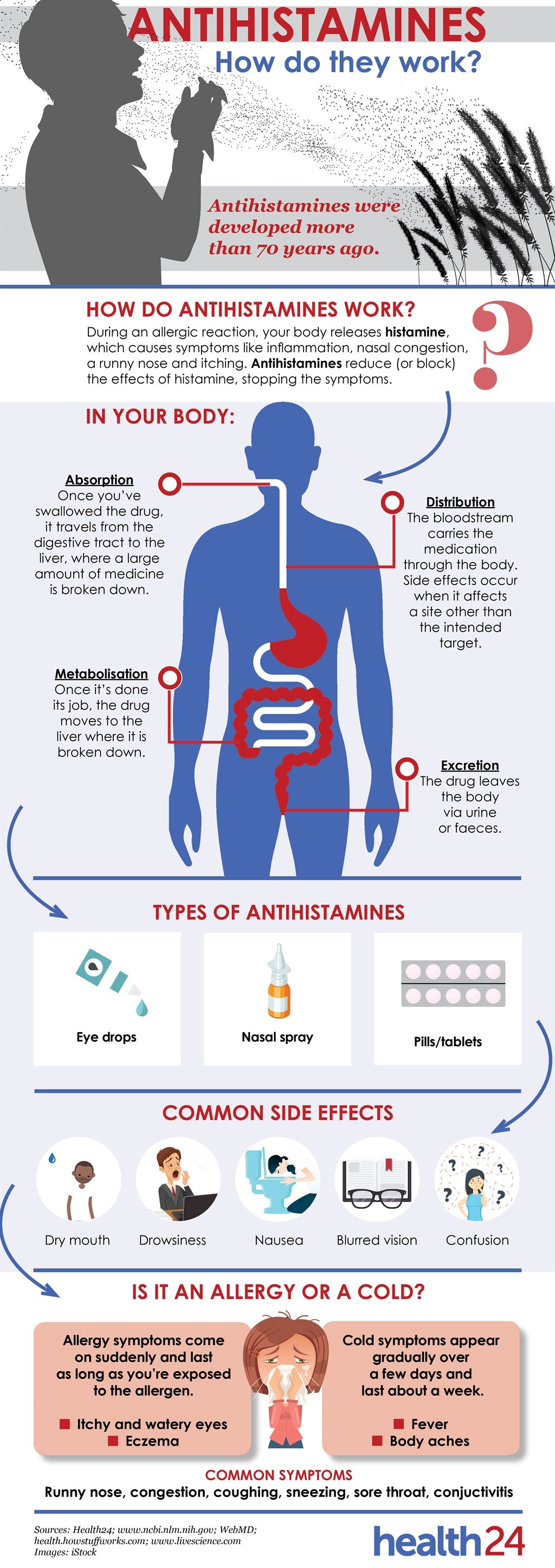
how do antihistamines work for allergies See: how your body uses antihistamines during an allergic reaction
Do you often find yourself sneezing, itching, or having a runny nose due to allergies? If so, you’re not alone. Allergies can be incredibly bothersome and affect our daily lives. Thankfully, there are treatments available, such as antihistamines, which can provide relief from these pesky symptoms.
Understanding Antihistamines and their Role in Allergies
Antihistamines are medications commonly used in the treatment of allergies. They work by blocking the effects of histamine, a chemical released by the body in response to allergens. Histamine is responsible for causing allergic symptoms such as sneezing, itching, and a runny nose.
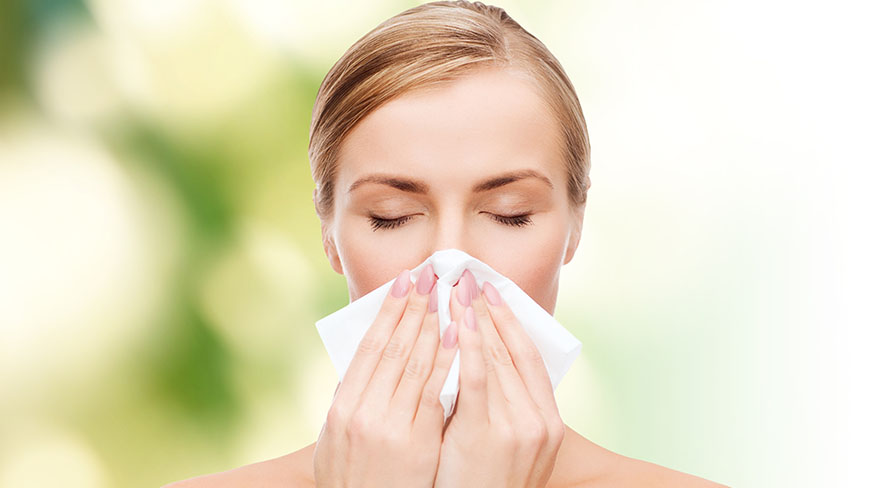 When you’re exposed to an allergen, your body’s immune system produces histamine as a defense mechanism, triggering an allergic reaction. Antihistamines help alleviate these symptoms by preventing histamine from binding to certain receptors in the body. This, in turn, reduces or eliminates the uncomfortable symptoms associated with allergies.
Different Types of Antihistamines
There are two main types of antihistamines: first-generation and second-generation.
 First-generation antihistamines: These are older antihistamines that can cause drowsiness and other side effects. They are also known to have a shorter duration of action. However, they can be more effective in treating severe allergic reactions.
Second-generation antihistamines: These newer antihistamines are less likely to cause drowsiness and have a longer duration of action. They are often preferred for daily use as they provide effective relief from allergy symptoms without causing excessive sedation.
Potential Side Effects of Antihistamines
While antihistamines are generally safe and well-tolerated, they can occasionally cause side effects. Some possible side effects include drowsiness, dry mouth, dizziness, and blurred vision. It’s important to read the package insert or consult with your healthcare provider to understand any potential risks or drug interactions.
Before taking antihistamines, it’s advisable to speak with a healthcare professional, especially if you have any underlying medical conditions or are taking other medications.
In conclusion, antihistamines are a valuable tool in managing and alleviating the symptoms of allergies. They work by blocking the effects of histamine, reducing sneezing, itching, and a runny nose. There are different types of antihistamines available, each with its own set of characteristics. While they can cause side effects in some individuals, most people find antihistamines to be a helpful and well-tolerated treatment option for allergies.
If you are looking for Antihistamines- How Does It Work, Types & Side Effects you’ve visit to the right page. We have 5 Pics about Antihistamines- How Does It Work, Types & Side Effects like Antihistamines help hives and hay fever, but they do not help eczema, SEE: How your body uses antihistamines during an allergic reaction and also Natural Antihistamines: Best 5 Allergies Relief - YourLiverLife. Read more:
Antihistamines- How Does It Work, Types & Side Effects
hlives.comDo Antihistamines Help With Allergies | HutchGPS, Everyday Blog
www.hutchgps.comSEE: How Your Body Uses Antihistamines During An Allergic Reaction
 www.health24.combody reaction allergic antihistamine antihistamines uses allergy infographic mandy freeman
Antihistamines Help Hives And Hay Fever, But They Do Not Help Eczema
 www.pinterest.comeczema antihistamines hives fever hay work niaid atopic dermatitis skin dental nih gov help
Natural Antihistamines: Best 5 Allergies Relief - YourLiverLife
 yourliverlife.comallergy food intolerance allergies allergen symptoms antihistamines healthy living life relief labelling safety
Allergy food intolerance allergies allergen symptoms antihistamines healthy living life relief labelling safety. Natural antihistamines: best 5 allergies relief. Eczema antihistamines hives fever hay work niaid atopic dermatitis skin dental nih gov help